
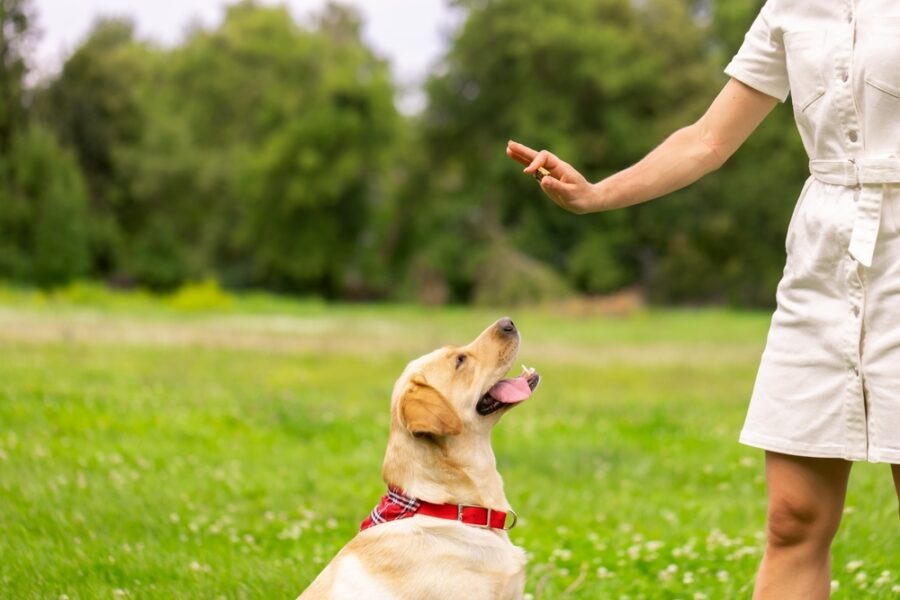
Did you know that treats can make up as much as 30 percent of a dog’s daily calorie intake in some households?
That single habit can quietly shape a dog’s weight, dental health, digestion, and even behavior over time.
Most of us give treats out of love, not calculation. A small reward here, an extra snack there, and suddenly the balance is off.
If you have ever wondered how often you should really be giving treats, how big those portions should be, and what impact they have on long term health, you are not alone.
Let’s talk about treat frequency for dogs in a practical, realistic way that fits everyday life, not just ideal feeding charts.
Why Treat Frequency Matters More Than Most Owners Realize
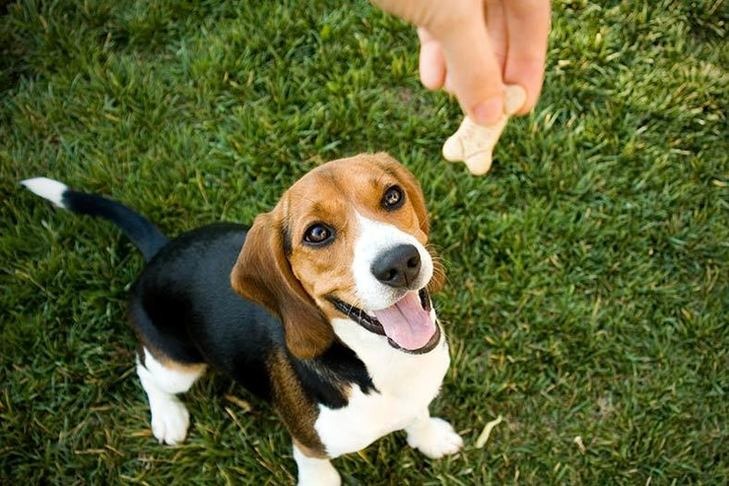
Treats are not just tiny extras. They are food, calories, and nutrients, whether we label them that way or not. When treats are given too frequently, they can slowly displace balanced meals, even if the main diet is high quality. Dogs do not self regulate calories the way humans might hope. If food is offered, most dogs eat it.
A good rule of thumb many veterinarians agree on is that treats should make up no more than 10 percent of a dog’s daily caloric intake.
That guideline exists for a reason. When treats creep beyond that range, dogs can gain weight without any obvious change in meal size.
Overfeeding through treats can also affect training. When rewards are constant, they lose value. Spacing them out keeps motivation high and portions controlled.
Treat frequency is not about restriction, it is about intention.
Choosing Treats That Support Health, Not Just Taste
Before talking numbers and schedules, it helps to talk about treat quality. Not all treats impact the body the same way. Some are empty calories with little benefit beyond flavor, while others support specific health needs.
In the first third of a dog’s life, owners often focus on growth and training. Later, maintenance and prevention matter more. Dental health is a great example.
Chewing actions help reduce plaque buildup, but not all chew treats are equal. Products like Dental Sticks are designed to support oral hygiene while still functioning as a reward. When used intentionally, they can replace less beneficial snacks without increasing overall calorie load.
The key is to choose treats with a purpose. If a treat can support teeth, joints, digestion, or mental stimulation, it earns its place in the routine more easily than a random snack.
How Often Should Dogs Get Treats During the Day
There is no universal number that works for every dog, but patterns matter more than totals. A dog that gets one planned treat after a walk and one during training is in a better position than a dog that gets six small treats spread randomly through the day.
Daily treat frequency should reflect activity level, size, and age. A young, active dog may handle slightly more frequent rewards if calories are adjusted elsewhere.
A senior dog with lower energy needs far fewer.
Consider these practical guidelines:
- One to two structured treat moments per day for adult dogs.
- Training sessions should use very small, low calorie rewards.
- High value treats should be reserved for specific behaviors or challenges.
Consistency helps dogs understand expectations and helps owners stay aware of intake.
Portion Sizes Explained by Dog Size and Lifestyle
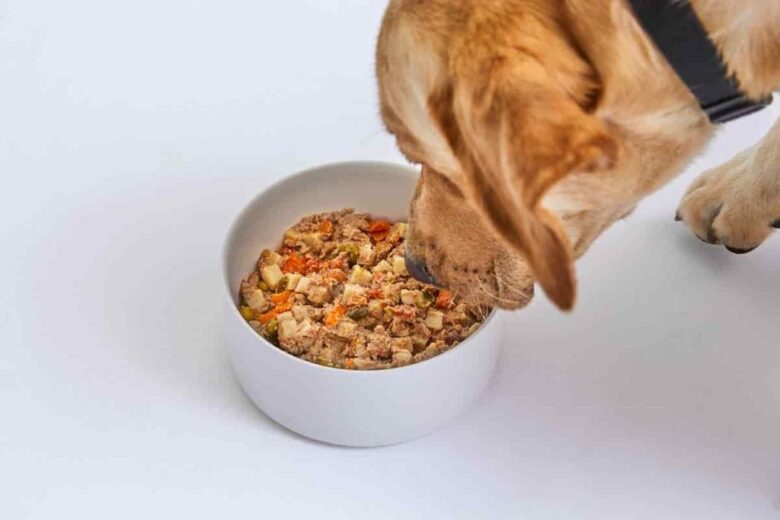
Portion size is where many well meaning owners get tripped up. A treat that seems small to a human can be significant for a dog, especially small breeds. Size alone is not enough. Lifestyle matters just as much.
Below is a general reference table to help visualize appropriate portion thinking, not strict rules.
| Dog Size | Typical Treat Portion | Frequency Consideration |
| Small breeds | Pea sized pieces | 1 to 2 times daily |
| Medium breeds | Fingertip sized | Up to 2 times daily |
| Large breeds | Bite sized but light | Adjust with activity |
This table works best when combined with awareness. If a dog has had an especially active day, portions may fit more easily. On quiet days, even small treats should be limited.
Treats and Weight Gain: The Slow Creep Problem
Weight gain from treats rarely happens overnight. It is usually gradual and easy to miss. A few extra calories each day may not look like much, but over months they add up.
Dogs that gain weight from treat overuse often show subtle signs first. Reduced stamina, heavier breathing after walks, and reluctance to move can appear before obvious body changes. By the time ribs are hard to feel, habits are already established.
The challenge is emotional. Treats are often linked to affection. Reducing them can feel like withholding love. The reality is that structured treat use protects a dog’s joints, heart, and mobility in the long run. Love is not measured in snacks, it is measured in care.
Training Treats Versus Leisure Treats
Not all treats serve the same role. Training treats and leisure treats should be treated differently in both size and frequency. Training treats should be extremely small and designed to be consumed quickly. Their value comes from timing, not volume.
Leisure treats, such as chews or dental supports, are usually larger and longer lasting. These should be planned into the day rather than given spontaneously.
A simple way to balance both is to reduce meal portions slightly on days with training sessions. That way, total calorie intake stays steady even when treats increase. Dogs do not need extra food for learning, they need smarter distribution.
Dental Treats and Daily Oral Health Support
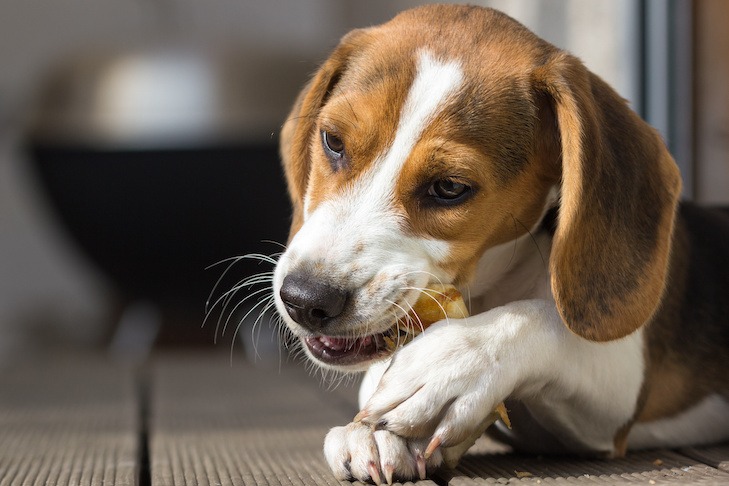
Oral health is one area where treats can genuinely improve quality of life. Plaque buildup does not just affect breath, it can lead to gum disease and systemic health issues. Chewing encourages saliva production and mechanical cleaning.
That said, dental treats should not be given without limits.
Dental treats work best when they are part of a routine, not a constant snack replacement. Their effectiveness comes from consistent chewing action, not quantity.
One well chosen dental treat per day is usually enough for most dogs. More than that rarely adds benefit and can increase calorie intake unnecessarily. When combined with regular tooth brushing or dental checkups, these treats can play a meaningful supporting role.
Digestive Impact of Over Treating
Treats also influence digestion more than many owners expect. Sudden increases in treat frequency or switching treat types too quickly can upset the gut. Symptoms like soft stool, gas, or inconsistent appetite often trace back to treat habits.
Dogs have sensitive digestive systems that thrive on routine. Introducing new treats gradually and keeping frequency steady helps maintain balance.
Treats high in fat or unfamiliar proteins are especially likely to cause issues when overused.
If digestive changes appear, the first step should always be reducing treat intake before changing the main diet.
Many problems resolve once the extras are scaled back.
Adjusting Treats for Age and Health Conditions
As dogs age, their nutritional needs change. Senior dogs generally require fewer calories but still enjoy routine and rewards.
Treats can remain part of life, but portion sizes should shrink accordingly.
Dogs with specific health conditions need even more attention. For example:
- Dogs prone to pancreatitis need very low fat treats.
- Overweight dogs benefit from vegetable based or low calorie options.
- Dogs with dental disease may need softer textures.
Treat frequency should always reflect current health, not past habits. What worked at age three may not be appropriate at age ten.
Building a Sustainable Treat Routine That Lasts
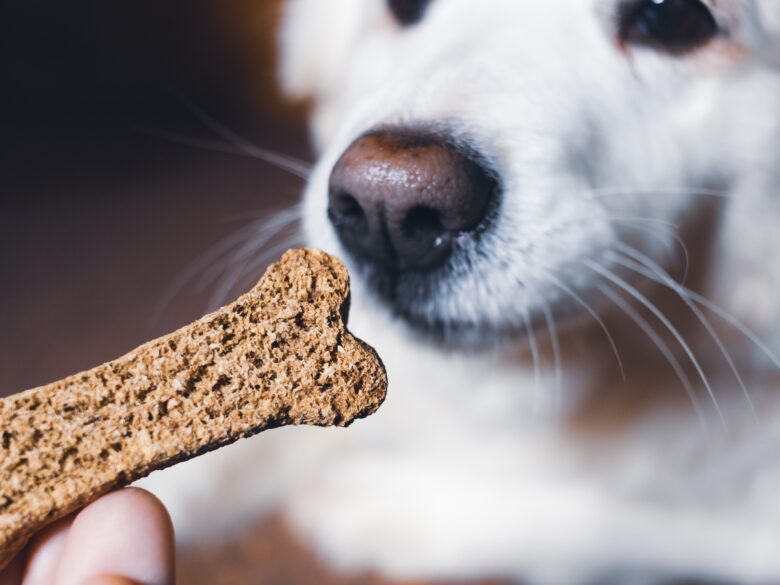
The goal is not to eliminate treats, but to create a system that works long term. Sustainable routines are simple, predictable, and easy to maintain even on busy days.
Start by identifying why treats are given. Training, bonding, dental care, or enrichment all serve different purposes.
Once each treat has a role, excess naturally falls away.
A good routine feels calm, not restrictive. Dogs adapt quickly when expectations are clear.
Owners often notice that dogs seem just as happy with fewer treats when attention, play, and consistency remain strong.
In the end, treat frequency for dogs is not about numbers alone. It is about awareness, balance, and choosing rewards that support health instead of quietly undermining it.
When treats are given with intention, they become part of a healthier, happier life rather than a hidden risk.
